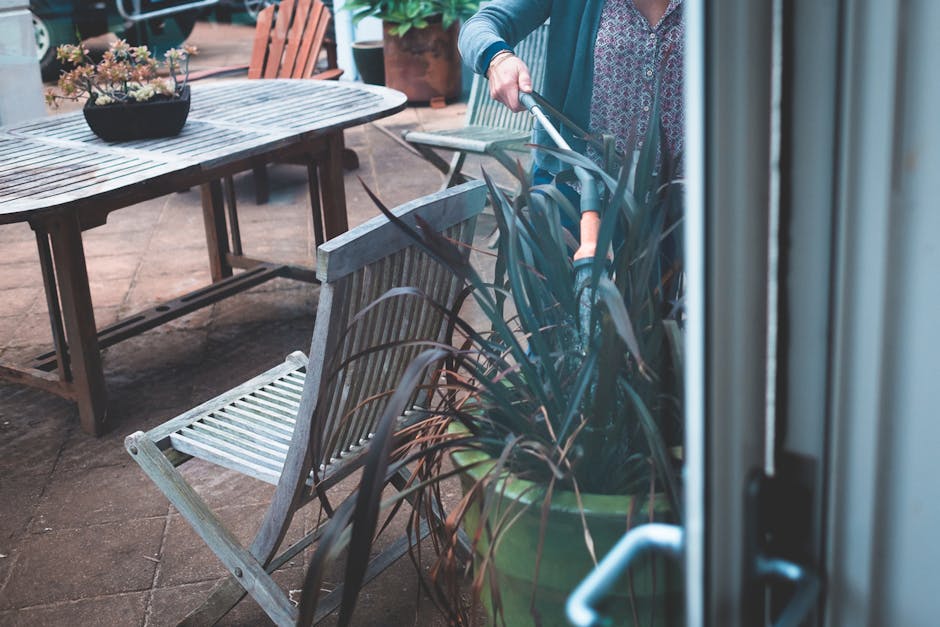
Gipsy Hill garden maintenance guide for SE19 terraces
If you live in SE19, you already know the charm of a terrace garden is a bit of a mixed blessing. There's the morning light on brick walls, the narrow footprint, the privacy that comes with a tucked-away space... and then the reality: shade from neighbouring houses, awkward access, shallow borders, and plants that seem to sulk after one cold snap. This Gipsy Hill garden maintenance guide for SE19 terraces is here to make the job feel manageable, not mysterious. Whether your outdoor space is a small courtyard, a split-level terrace, or a long London back garden with tight access, the right maintenance routine can make it look calmer, greener, and far less work over time.
We'll cover what matters most in Gipsy Hill, how terrace gardens work, the best maintenance rhythm through the year, common mistakes, and when it makes sense to bring in help. Nothing fancy. Just practical, local, useful guidance you can actually use.
Table of Contents
- Why Gipsy Hill garden maintenance guide for SE19 terraces matters
- How Gipsy Hill garden maintenance guide for SE19 terraces works
- Key benefits and practical advantages
- Who this is for and when it makes sense
- Step-by-step guidance
- Expert tips for better results
- Common mistakes to avoid
- Tools, resources and recommendations
- Law, compliance, standards, or best practice
- Options, methods, or comparison table
- Case study or real-world example
- Practical checklist
- Conclusion
- Frequently asked questions
Why Gipsy Hill garden maintenance guide for SE19 terraces Matters
Terrace gardens in Gipsy Hill are rarely huge, which is exactly why maintenance matters so much. In a bigger garden, a few scruffy corners can be absorbed. In a compact SE19 terrace, everything is on show. One overgrown climber, one clogged drain, one neglected pot of herbs near the back step... and the whole space can start to feel tired.
There's also the local context. Gipsy Hill gardens often deal with a mix of conditions: mature trees, neighbouring walls, windy exposures on upper terraces, sheltered pockets that stay damp, and urban soil that may be compacted or low in organic matter. To be fair, that combination can be brilliant for certain plants and a headache for others. The trick is not to fight the garden, but to work with it.
Good maintenance is about more than neatness. It helps prevent problems before they become expensive or messy. A regular routine can reduce pest build-up, improve drainage, keep hard surfaces safer, and stop plants from getting woody, leggy, or frankly sulky. And if you're thinking about selling, renting, or simply enjoying the garden more, a tidy and healthy terrace space adds a surprising amount of day-to-day value.
There's a softer benefit too. A maintained garden feels lighter to use. You notice it when you step outside with a coffee on a damp March morning and everything smells a little earthy, not stale. You notice it again in summer when the seating area is clear, the planting is balanced, and you don't have to dodge dead stems to get to the compost bin. Small things. Big difference.
How Gipsy Hill garden maintenance guide for SE19 terraces Works
At its simplest, terrace garden maintenance is a cycle: inspect, tidy, prune, feed, water, and reset. The detail depends on the size of your space, the plants you keep, and how much time you want to spend. Some homeowners prefer a light weekly upkeep with seasonal jobs folded in. Others do one bigger tidy-up every month and keep things presentable in between. Both can work.
For SE19 terraces, the maintenance approach usually needs to account for limited space and access. Narrow side returns, basement steps, shared alleyways, and rear access through the house can all affect how easily you can move soil, cuttings, tools, and waste. That's why efficient planning matters almost as much as the work itself.
A practical maintenance routine usually includes:
- checking plant health and soil moisture
- removing spent blooms, dead growth, and weeds
- trimming hedges, climbers, and soft growth before they get unruly
- refreshing mulch or compost where needed
- cleaning paths, patios, and outdoor furniture areas
- reviewing drainage, pots, and container stability after heavy rain
That last point is easy to overlook. In a terrace garden, the smallest issue can spiral. A blocked pot saucer, a cracked container, or a clogged corner gulley can lead to water sitting where it shouldn't. Not dramatic at first. Then suddenly you're lifting soggy plants and wondering why the soil smells off.
If you're using professional help, the service often starts with a site assessment, then a maintenance schedule tailored to the space. If you want to understand the broader support available, the services overview is a useful place to begin, and the team's about us page can help you understand the approach and values behind the work.
Key Benefits and Practical Advantages
Let's keep this grounded. The benefits of proper terrace garden maintenance are not abstract. You see them, you feel them, and if you miss them for a few months, the difference becomes obvious fast.
- Better plant health: regular pruning, feeding, and watering help plants stay compact, resilient, and attractive.
- More usable space: clear paths, trimmed borders, and organised containers make small gardens feel bigger.
- Lower repair risk: early attention to drainage, timber, and hard landscaping can help prevent avoidable damage.
- Cleaner presentation: a maintained terrace simply looks cared for, even when the planting is informal.
- Less effort later: a little and often approach usually beats a frantic all-day rescue job. Honestly, it just does.
For landlords, busy homeowners, and people who travel frequently, maintenance also reduces the guilt factor. You know the one. You get back after a few weeks away and the garden has become a small jungle with ambitions. Regular upkeep keeps that from happening.
There's also a practical energy benefit. When a garden is organised, you waste less time moving tools around, searching for shears, or trying to remember which pot needs feeding first. That sounds small, but in a compact terrace setting it adds up. One neat shelf, one clear compost area, one proper place for cuttings. The whole thing becomes easier.
Expert summary: In SE19 terrace gardens, the best results usually come from consistent light maintenance rather than occasional heavy intervention. Small, regular actions keep the space attractive and prevent avoidable problems from building up.
Who This Is For and When It Makes Sense
This guide is for anyone managing a terrace, courtyard, or small urban garden in Gipsy Hill who wants practical control rather than constant catch-up. It is especially useful if your garden has limited sunlight, tight access, mixed hard and soft landscaping, or lots of container planting.
You may need a clearer maintenance plan if:
- your garden looks tidy one month and messy the next
- you rely heavily on pots, planters, and raised beds
- your rear space gets shade for much of the day
- you have mature shrubs or climbers that keep outgrowing their space
- you've had drainage, moss, or weed issues on patios or paths
- you simply do not have the time to keep on top of it
It also makes sense for people preparing a property for viewings, seasonal use, or family gatherings. A terrace garden doesn't need to look staged to be inviting. A bit of structure, clean edging, and healthy planting go a long way. You know it when you see it. It just feels calmer.
And if you're weighing up whether to do it yourself or get help, the decision often comes down to two things: time and confidence. If you enjoy gardening but hate the heavy lifting, a periodic maintenance visit can be a practical middle ground. If you prefer no hassle at all, a structured service may be the better fit.
Step-by-Step Guidance
Here's a simple way to maintain an SE19 terrace garden without overcomplicating it. This is not about perfection. It's about rhythm.
1. Start with a proper visual check
Walk the space slowly. Look at plant shape, leaf colour, soil level, weeds, drainage, and any soft spots in the surface. Check pots for cracking and make sure nothing is sitting in standing water. A five-minute inspection often tells you more than a rushed hour of tidying.
2. Clear the obvious clutter first
Remove fallen leaves, broken stems, dead annuals, and anything blocking a path or step. In a terrace garden, clutter tends to make the whole space feel smaller. The quickest win is almost always the oldest one: clear the floor.
3. Weed before the roots settle
Weeds in cracks, borders, and containers are easier to remove when young. If you leave them, they seed, spread, and suddenly you're having a relationship with your weeding fork you never asked for. Tackle them early, then mulch or top up soil where appropriate.
4. Prune with intention
Trim back growth that is crossing paths, blocking light, or crowding other plants. Remove dead, diseased, or damaged material first. Then shape lightly. The aim is to guide the plant, not give it a severe haircut unless it truly needs one.
5. Feed and refresh the soil
Containers and small borders lose nutrients more quickly than larger ground beds. Use compost, mulch, or a suitable feed depending on what's planted. A little soil refresh each season can make a surprisingly big difference to growth and flower quality.
6. Water with care
SE19 terraces can swing between dry and damp depending on aspect and season. Water deeply rather than frequently splashing the surface. Pots, in particular, may need more attention during warm spells. Early morning watering is often best because less evaporates, and plants are better prepared for the day.
7. Reset the hard surfaces
Sweep patios, clear moss or algae where safe to do so, and make sure furniture, planters, and storage items are not trapping moisture against walls or paving. A small terrace can quickly feel neglected if the hard landscaping goes dull.
8. Finish with a small review
Step back. Does the space feel balanced? Can you move through it easily? Are the focal points still visible? A last look catches the little things that matter. Sometimes the difference is one moved pot, one missed weed, one trimmed stem. Tiny edits, but they count.
Expert Tips for Better Results
Over time, a few habits make terrace garden maintenance far easier. Nothing exotic here. Just the stuff that tends to work.
- Group plants by water need. It saves time and reduces the risk of one pot drying out while another stays soggy.
- Use containers that suit the space. Heavy pots can be useful in windy spots, but they need to be placed carefully because moving them later is a pain.
- Keep one clear working area. Even a small fold-away bench or shelf makes maintenance less chaotic.
- Cut little and often. Especially with climbers and soft shrubs, regular light pruning keeps shape better than occasional drastic cuts.
- Mulch exposed soil. It helps retain moisture and reduce weeds, which is a win in tight borders and planter beds.
- Watch microclimates. A wall-facing bed can be much warmer than a shady corner just a few metres away. Same garden, different world.
One other thing: keep a simple maintenance note on your phone or a scrap of paper in the shed. Nothing elaborate. Just a reminder of what was fed, pruned, or replaced last time. In a terrace garden, that memory aid saves you from repeating mistakes. We've all stood there wondering, "Did I already feed this rosemary or not?"
If you're dealing with mixed planting, don't be afraid to reduce complexity. A crowded terrace often looks better after a few sensible removals than after adding more and more plants. Breathing space matters.
Common Mistakes to Avoid
Most terrace garden problems come from a handful of repeat errors. The good news? They're fixable.
- Overwatering pots: it's one of the easiest mistakes to make, especially in cooler months when the surface looks dry but the root zone is not.
- Ignoring drainage: if water has nowhere to go, plants struggle and surfaces suffer.
- Letting climbers take over: wall plants can become heavy, untidy, or even damaging if left unchecked.
- Using too many tiny pots: they look charming at first, then become a maintenance headache.
- Skipping seasonal resets: a terrace needs more than occasional deadheading; it benefits from proper seasonal review.
- Pruning at the wrong time: some plants cope well, others do not. If unsure, go lightly and observe before making major cuts.
Another common issue is treating the garden as one flat problem. It isn't. The sunny corner, the shaded step area, the exposed fence line, and the sheltered side return may all need different care. That's the bit people miss, usually because they're rushing. Fair enough. Life is busy. But the garden notices.
Finally, don't let a "big tidy later" become the plan. Big tidy later is how terrace gardens get out of hand. Little and often. It really is the boring answer that works.
Tools, Resources and Recommendations
You do not need a shed full of gear to keep an SE19 terrace in good shape. A focused kit is usually enough.
| Tool or item | Best use | Why it helps in a terrace garden |
|---|---|---|
| Hand shears | Light pruning and shaping | Good for tight spaces and precise cuts |
| Secateurs | Deadheading and small stem cuts | Useful for routine maintenance without disturbing nearby plants |
| Hand fork and trowel | Weeding, planting, soil refresh | Ideal for containers and narrow borders |
| Watering can or hose with control | Targeted watering | Helps avoid waste and overwatering |
| Brush and garden broom | Patio and path clean-up | Keeps hard surfaces looking cared for |
| Compost or mulch | Soil improvement and moisture retention | Very useful in small beds and pots |
For services and practical support options, the site's pricing and quotes page is useful if you want to compare what level of help suits your budget. If you're planning a broader refresh, the recycling and sustainability page is also worth a look, especially if you care about how cuttings and green waste are handled.
And if you're ready to talk through your garden rather than guess at the next step, the contact us page is the straightforward route. No drama. Just a sensible conversation.
Law, Compliance, Standards, or Best Practice
For most home terrace gardens, the key issue is not heavy regulation; it's sensible best practice. Still, there are a few things worth keeping in mind.
If maintenance work involves ladders, tools, hedge cutting, or waste removal, safety matters. Good contractors should work in a way that reflects proper risk awareness, suitable equipment use, and careful handling of sharp tools or uneven ground. If you are hiring anyone, it is reasonable to ask about insurance and safety procedures. The site's insurance and safety page gives a helpful indication of those expectations.
For homeowners, it also makes sense to be considerate about boundaries, overhanging growth, and shared access. In terrace streets, neighbouring fences, side returns, and party walls can quickly become awkward if pruning or access is handled badly. Better to communicate early than have a neighbour pointing out a hedge clipped a bit too enthusiastically. Nobody enjoys that conversation.
If any contractors are involved, clear terms, payment expectations, and scope of work should be agreed before the job starts. That keeps things simple. It's not paperwork for the sake of it; it's clarity. For more on that side of things, the terms and conditions and payment and security pages are the relevant references.
It is also sensible to keep waste handling tidy and responsible. Green waste, old compost, and broken pots should be sorted properly rather than left in a corner. Best practice may sound dull, but it's what keeps a small garden from becoming a small problem.
Options, Methods, or Comparison Table
There is no single "right" way to maintain an SE19 terrace garden. The best method depends on time, budget, and how hands-on you want to be.
| Approach | Best for | Pros | Trade-offs |
|---|---|---|---|
| DIY weekly upkeep | Confident gardeners with a little spare time | Low cost, full control, flexible timing | Easy to fall behind, especially in busy months |
| Monthly tidy and seasonal reset | Homeowners who like structure | Good balance between effort and presentation | Small issues can build between visits |
| Professional maintenance support | Busy households, landlords, or less experienced gardeners | Consistent standard, less physical effort, faster problem spotting | Requires budget and clear expectations |
| Seasonal intensive care | Gardens that only need a few major visits each year | Useful for reset and rebalancing | Not ideal if the space needs regular attention |
For many Gipsy Hill terraces, the sweet spot is a mix: light DIY attention if you enjoy it, plus professional support for pruning, clearing, or seasonal lifts when the garden starts to get ahead of you. That combination is often enough to keep things looking sharp without turning weekends into work.
Case Study or Real-World Example
Here's a realistic example from a typical SE19 terrace setup. The garden was long but narrow, with a small patio nearest the house, a shaded middle section, and a sunnier back boundary. On the surface, it looked fine. But the details told a different story: pots were overcrowded, climbers had started to tangle, and rainwater was lingering near the back corner after wet weather.
The first pass focused on clearing and sorting, not replanting. Dead material came out, the patio was swept clean, the climbers were thinned back, and the worst weeds were removed from the edges and between paving joints. Then the soil in containers was topped up, a few badly placed pots were moved to better light, and the watering routine was adjusted so the shaded section wasn't getting the same treatment as the sunny end.
What changed? Mostly the feel of the space. The garden looked bigger because circulation improved. The planting looked healthier because the water and light needs were better matched. And, importantly, the owner stopped feeling behind all the time. There was still work to do, sure, but it was manageable.
That is often the real goal in terrace maintenance. Not perfection. Just a garden that behaves itself.
Practical Checklist
Use this as a quick reset list for your Gipsy Hill terrace garden:
- remove fallen leaves, dead stems, and loose debris
- check pots, borders, and patios for weeds
- inspect drainage and standing water after rainfall
- prune overcrowded or damaged growth
- deadhead flowering plants where appropriate
- top up compost or mulch if soil looks tired
- water deeply, especially in warm or windy spells
- sweep paths and clear slippery surfaces
- review plant placement for light and access
- set a reminder for the next seasonal check
If you can do only three things this week, do these: clear the floor, check the watering, and trim back whatever is blocking the space. That usually gives the biggest visible payoff. Simple, but effective.
Get a free quote today and see how much you can save.
Conclusion
A well-maintained terrace garden in Gipsy Hill does not need to be elaborate. It needs to be looked after with steady, realistic care. When you understand the space, respect the light and drainage, and keep on top of small jobs before they become bigger ones, the whole garden starts to feel easier. Better still, it becomes a place you actually want to step into, not just look at from the kitchen window.
Whether you're tending containers on your own, planning seasonal maintenance, or looking for reliable help, the key is consistency. A little attention goes a long way in SE19. And once the space is working properly, you notice it in the quiet moments: the cleaner lines, the healthier leaves, the way the terrace feels ready for an evening chair and a mug of tea.
That's the good part. A garden that fits your life, not the other way around.
Frequently Asked Questions
How often should an SE19 terrace garden be maintained?
For most terrace gardens in Gipsy Hill, a light weekly check and a more thorough monthly tidy work well. In spring and summer, watering and pruning may need extra attention. In autumn, leaf clearance and drainage checks become more important.
What makes terrace garden maintenance different from larger garden care?
Terrace gardens have less room for error. A small amount of clutter, overgrowth, or poor drainage is more noticeable and can affect the whole space. They also tend to rely more on containers, vertical planting, and careful layout.
Can I maintain a small terrace garden myself?
Yes, absolutely. Many homeowners can handle the basics themselves if they keep the routine simple. The main challenge is consistency. If you travel often or have limited time, a planned maintenance visit can take pressure off.
What are the most important jobs for a Gipsy Hill terrace in spring?
Spring is a good time to clear winter debris, cut back damaged growth, refresh compost, divide or repot container plants, and reassess drainage. It is also the best time to spot what has survived the colder months and what needs replacing.
How do I stop weeds from taking over patios and borders?
Remove weeds early, before they set seed or develop deep roots. Keep surfaces swept, top up jointing where needed, and use mulch in borders to reduce new growth. It helps to do little and often rather than one huge weed-pull every few months.
Are container plants harder to maintain than planted borders?
Often, yes. Containers dry out faster and need more frequent feeding because nutrients are limited. On the other hand, they are easier to reposition and can be ideal for compact terrace spaces. It's a trade-off.
What should I do if my terrace garden has poor drainage?
Check whether water is pooling in specific areas, whether pots have drainage holes, and whether soil is compacted. In some cases, improving the surface, changing pot placement, or refreshing the growing medium can help. If the issue is ongoing, it may need a closer look from someone experienced.
When is the best time to prune shrubs and climbers?
It depends on the plant type. Some shrubs respond well to pruning in late winter or early spring, while others are better trimmed after flowering. If you're unsure, take a conservative approach and avoid heavy cuts until you know how the plant behaves.
How much maintenance does a small terrace garden really need?
Less than a large garden, but more regularly than people expect. A compact garden can be quick to manage if it stays on schedule. If you let it go, it can become a bigger job surprisingly fast. That's the funny bit, isn't it?
Can maintenance improve the look of a rented property?
Yes. A tidy terrace garden can make a rented home feel more cared for and more comfortable to use. It also helps keep outdoor areas safer and easier to manage across the year.
What should I ask before hiring help for garden maintenance?
Ask what's included, how often visits happen, how waste is handled, whether insurance and safety procedures are in place, and how pricing is structured. Clear expectations at the start usually prevent awkward surprises later.
How do I decide between a one-off tidy-up and regular maintenance?
If the garden has just drifted out of shape, a one-off tidy-up may be enough to reset it. If the same problems keep returning, regular maintenance is usually more cost-effective and less stressful. The right answer depends on your time, budget, and how much you want to stay involved.
For a deeper look at the people and standards behind the service, you can also explore the about us page again, or review the health and safety policy if you want reassurance on working practices. If you're ready to move forward, the next step is simple: get in touch and talk through the garden as it is now, not how you wish it behaved. That's usually where the useful plan begins.